
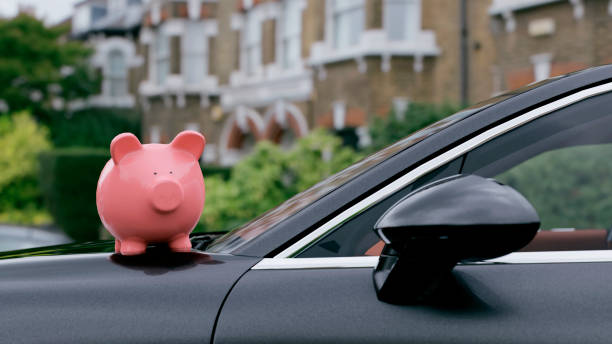
I used to think owning a car was simple math. You buy the car, you fill it with fuel, sometimes you wash it if you feel guilty, and that’s it. End of story. That’s what my brain believed for years, and honestly, I think social media helped lie to me a little. Instagram loves shiny cars, not the boring bills hiding behind them.
The funny part is, most people don’t mean to underestimate car costs. It’s not ignorance in a stupid way. It’s more like selective blindness. We see the price tag at the dealership and mentally check out after that. Everything else feels like “future me’s problem”. Future me is always richer in my imagination. Sadly, real future me is still broke.
The Purchase Price Tricks Your Brain
There’s something psychological about buying a car. Once you agree to that monthly EMI or loan payment, your brain goes “okay, cost understood”. That number becomes the whole car in your head. ₹12,000 a month, or $300, or whatever it is. Clean. Predictable. Comfortable.
But car ownership is more like dating someone who slowly reveals expensive habits. First month is calm. Second month, insurance renewal pops up. Third month, some warning light comes on that looks harmless but ends up costing half your salary. No one talks about this part when they post photos with car keys on Facebook.
Also, dealerships don’t help. They push the idea of affordability hard. Low down payment, easy finance, small monthly numbers. They rarely say, “Hey by the way, this car will quietly eat money in 17 different ways every year.” Not great for sales, I guess.
Fuel Is Just the Tip of the Mess
Ask anyone what car costs money on, they’ll say fuel first. And yes, fuel hurts. Especially when prices go up overnight like they’re testing our emotional strength. But fuel is the obvious villain. The sneaky ones are worse.
Maintenance is the quiet killer. Oil changes, brake pads, filters, fluids I didn’t even know existed until a mechanic mentioned them like it was common sense. “Sir, this needs replacing.” Needs? According to who? Apparently according to the car gods.
I once delayed a small repair because it didn’t feel urgent. Two months later, that small issue invited three bigger friends. The final bill felt personal, like the car was punishing me for ignoring it. Cars remember. I’m convinced.
Insurance Feels Invisible Until It Isn’t
Insurance is weird. You pay it hoping you never need it. So mentally, people don’t count it as a “real” cost. It’s just paperwork money. Until the premium increases next year because reasons. Or because your city suddenly has more traffic accidents. Or because inflation exists and wants attention.
What most people don’t realize is that insurance costs change as your car ages. Sometimes up, sometimes down, sometimes in ways that make no logical sense. And if you skip it or downgrade too much, one accident can financially time-travel you back five years.
Online forums are full of people saying, “Insurance is a scam.” Maybe. But not having it feels like walking a tightrope blindfolded. One slip and it’s over.
Depreciation Is the Cost Nobody Feels Daily
This is the sneakiest cost of all. Depreciation doesn’t knock on your door or send a bill. It just silently reduces your car’s value while you sleep. Every kilometer you drive, every scratch, every new model launch, your car becomes slightly less worth it.
People underestimate this because it doesn’t hurt immediately. You only feel it when you try to sell the car. That moment when you realize the car you loved and protected is now worth way less than you emotionally expected. That pain is different. It’s quiet but sharp.
I once calculated how much value my car lost per year and immediately closed the calculator app. Some truths don’t need full clarity.
Small Things Add Up in Annoying Ways
Parking fees, tolls, car washes, accessories you didn’t plan to buy but somehow did. Seat covers, phone holders, dash cams because Twitter scared you with accident videos. None of these are huge alone. Together, they form a slow leak in your wallet.
And then there’s time. Time stuck in traffic. Time at service centers. Time arguing with customer support. We never put a price on time, but it costs us anyway. Sometimes I feel like my car owns me, not the other way around.
Social Media Makes It Look Easier Than It Is
Scroll through social media and everyone looks happy with their car. Road trips, sunsets, clean dashboards. No one posts a story saying, “Spent my Sunday waiting for a spare part.” That doesn’t get likes.
There’s also this idea online that owning a car equals success. That pressure makes people jump in early without fully understanding the long-term cost. You don’t want to be the only one still using public transport when your friends are posting steering wheel selfies.
I get it. I fell for it too.
So Why Do We Keep Underestimating It
Because humans are optimistic by default. We assume best-case scenarios. No major breakdowns. Stable fuel prices. Minimal repairs. But cars operate in the real world, not in our hopeful spreadsheets.
Car ownership isn’t just a financial decision. It’s emotional, social, sometimes ego-driven. And emotions are terrible accountants.
If I’m honest, I don’t regret owning a car. I regret not understanding it better before jumping in. That’s the difference. Cars aren’t evil money traps. They just demand honesty. And most of us lie to ourselves at the beginning.