
Ever noticed how after a big burger and fries, you suddenly want to nap like a cat in the sun? Yeah, that’s food messing with your energy levels. I mean, I’ve done the whole “just one cookie” thing, and five minutes later, I’m crashing harder than my Wi-Fi during a Zoom call. Your body reacts to food in ways that are sneaky but kinda predictable if you pay attention.
Let’s get one thing straight: not all calories are equal when it comes to energy. Some foods give you that long-lasting “I can climb Everest” vibe, while others make you drag your feet to the fridge five minutes after eating. And it’s not just sugar vs. protein—it’s way more nuanced than that.
Carbs: The Good, The Bad, and the Ugly
Carbs get a bad rep, but honestly, your brain literally runs on glucose. Eat no carbs and your energy tank goes to zero faster than my motivation on a Monday morning. But here’s the kicker: the type of carb matters. Whole grains like oats, brown rice, and quinoa release energy slowly, giving you that steady buzz. Refined carbs like white bread or pastries? They spike your blood sugar and then boom—crash city. You feel like a balloon that just popped.
And here’s a fun fact that shocked me: eating simple carbs first thing in the morning can actually make your energy worse for the next few hours. So that sugary cereal might feel like a good idea until 10 a.m., when you’re suddenly eyeing the office coffee machine like it’s your lifeline.
Protein Isn’t Just For Gym Rats
I used to think protein was only for people who live at the gym, but turns out, it’s a huge energy stabilizer. Eggs, Greek yogurt, nuts—they keep your blood sugar levels from swinging wildly. I remember trying a “protein pancake” breakfast a few months ago, skeptical as heck, but by 11 a.m., I wasn’t reaching for snacks like a squirrel on caffeine.
Here’s something interesting: protein also helps with neurotransmitters that regulate focus. So it’s kinda like food for your brain, not just your biceps.
Fats: The Slow Burn Energy
Don’t freak out—healthy fats are your friend. Avocados, olive oil, and even dark chocolate (yes, chocolate!) provide long-lasting energy because they digest slower. I once tried a “fat-heavy” snack experiment: half an avocado, a few almonds, and some berries. Let me tell you, I didn’t feel hungry for hours. Meanwhile, my friend who had a donut was tapping her foot, jittery, and then crashed hard by 3 p.m.
But remember, too much of anything is bad. Overdo the fats, and you might feel sluggish. It’s all about balance.
Caffeine and Sugar: Temporary Boosters, Real Crashers
Let’s be honest, who doesn’t love a cup of coffee or an energy drink when they’re dragging? I’m guilty. But the problem is, caffeine is sneaky. It masks fatigue for a while but doesn’t solve the underlying low energy. And sugar? That instant buzz is basically a trap. Social media is full of people bragging about “sugar highs,” but within an hour, they’re tweeting “why am I so tired?”
Fun experiment: try switching your afternoon coffee for a protein snack or a handful of nuts. You’ll see your energy lasts longer. Trust me, I tried it, and it’s weirdly satisfying.
Hydration: The Often-Ignored Energy Booster
This one gets overlooked, but dehydration is a silent energy killer. You might eat perfectly, sleep well, but if you’re not drinking enough water, your cells can’t perform properly. I once spent a whole day thinking I was just “tired” when really, I was two bottles of water away from feeling normal. So, water isn’t just for quenching thirst—it literally fuels energy production.
Vegetables and Fruits: More Than Just Vitamins
Leafy greens, berries, citrus—they all have micro-nutrients that help your body convert food into energy. Spinach, for example, is high in magnesium, which is essential for energy production. I used to skip veggies because “meh, taste,” but once I started sneaking them into smoothies, I noticed I wasn’t crashing after lunch like before.
And berries, man, the antioxidants are not just some health buzzword—they actually help fight the oxidative stress that makes you feel sluggish. Some Instagram nutritionists rave about this stuff, but it’s true.
Mind Your Eating Habits, Not Just Food
It’s not just what you eat, it’s how you eat. Shoveling down food while scrolling TikTok? Yeah, your body is like “what just happened?” Slow down, chew, and savor—it helps digestion and energy release. I once tried eating lunch at my desk in 5 minutes flat, and an hour later, I was ready for a nap. Eating mindfully makes a bigger difference than you think.
Wrap Up Thoughts
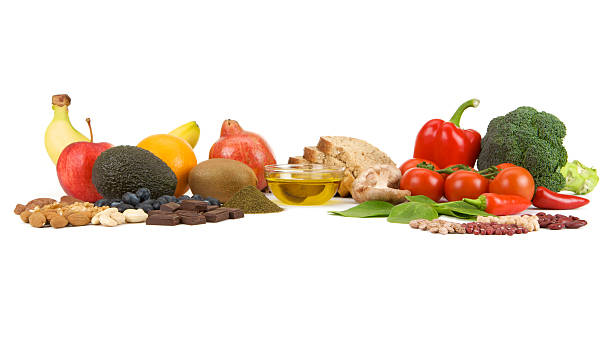
So yeah, your energy levels are basically a mix of what you eat, how you eat, and even how hydrated you are. Whole grains, proteins, healthy fats, water, and some colorful fruits and veggies are the real MVPs. Sugary snacks, refined carbs, and too much caffeine? They’re the energy villains.
Next time you feel like dragging through the day, check your plate. Chances are, it’s not just life stress—it’s your food choices playing tricks on you. And honestly, experimenting with food to find what actually works for you can be kinda fun. Like a little science experiment on yourself, except with way more snacks.